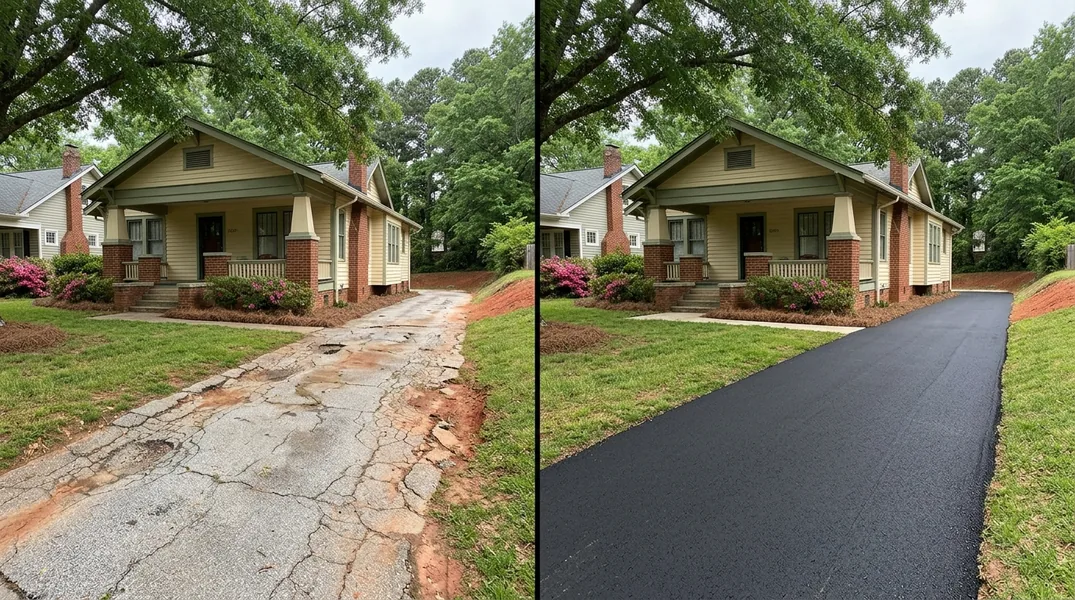
How Long for Asphalt to Cure: Understanding the Timeline
One of the most common questions homeowners ask after investing in Asphalt Driveway Paving & Installation is how long the curing process takes. The answer isn't as simple as a single number, because asphalt curing happens in stages, and different factors influence each stage.
When freshly laid asphalt is installed on your Greensboro property, it begins cooling immediately. During the first 24 to 48 hours, the surface hardens enough to walk on, but it's still vulnerable. The asphalt continues to cure as oils evaporate and the binder sets. Full structural curing typically takes 6 to 12 months, depending on weather conditions, traffic patterns, and the specific asphalt mix used. In Greensboro's climate, with its warm summers and moderate winters, you can expect the middle to upper end of this range.
Temperature plays a critical role in how long for asphalt to cure. Cooler temperatures slow the curing process, while warmer weather accelerates it. If your driveway was installed in spring or summer, you'll see faster curing than if it was laid in fall or winter. Humidity and rainfall also matter. Excess moisture can interfere with the curing process, so ideally, you want dry conditions during the first few weeks after installation.
How Long Before You Can Drive on New Asphalt: A Safety Timeline
The question of how long before you can drive on new asphalt is one that requires a careful, phased approach. Your contractor will give you specific guidance based on weather and conditions, but understanding the general timeline helps you plan accordingly. In most cases, you can allow light foot traffic after 24 hours and light vehicle traffic after 48 to 72 hours. However, this doesn't mean your driveway is fully ready for normal use.
For the first week after installation, avoid parking heavy vehicles on the new surface or leaving them sitting in one spot for extended periods. The weight of a stationary vehicle can create permanent indentations in asphalt that hasn't fully cured. Similarly, sharp turns, rapid acceleration, and heavy braking should be avoided during this initial period. If you have multiple vehicles, rotate their parking positions or use alternative parking if available. This precaution is especially important during warm weather, when the asphalt is softer and more susceptible to marking and displacement.
After the first week, you can resume normal driving habits, though the asphalt will continue to harden over the following months. Avoid heavy construction vehicles, delivery trucks, or other unusually heavy traffic during the first 30 days. If you anticipate deliveries or need contractors on your property, inform them of your recent installation and ask them to park elsewhere if possible. By taking these steps, you're protecting your investment and ensuring your new driveway reaches its full strength.
New Asphalt Driveway Care: The First Critical Weeks
New asphalt driveway care begins the moment the contractor leaves your property. The first few weeks are the most critical for protecting your investment. During this time, your driveway is still vulnerable to damage from weather, heavy use, and environmental factors. Proper care during these early weeks can add years to your driveway's lifespan and prevent costly Driveway Repair down the road.
Keep the surface clean and free of debris. Leaves, dirt, and gravel can trap moisture against the asphalt and create weak spots. Sweep your driveway regularly with a soft broom or use a leaf blower to remove loose materials. Avoid pressure washing during the first month, as the high-pressure water can damage the freshly laid surface. If you need to clean up spills or stains, use a gentle hose spray and a soft cloth. Gasoline, oil, and other fluids should be cleaned up promptly, as these substances can soften asphalt and create permanent stains or damage.
During the curing period, monitor weather conditions closely. Heavy rain immediately after installation can interfere with the curing process, so if rain is forecast, discuss this with your contractor. Some contractors apply a seal coat during installation or shortly after, which provides an additional protective layer. Ask your Greensboro Asphalt Paving contractor whether this was done and what additional care is recommended for your specific situation. Protecting your new asphalt during these critical early weeks sets the foundation for a durable, long-lasting driveway.
How Often to Seal Driveway: Establishing a Long-Term Maintenance Schedule
Understanding how often to seal driveway is essential for maintaining your asphalt investment over the years. A seal coat is a protective layer applied over the asphalt surface that guards against UV rays, water infiltration, and chemical damage. Most asphalt driveways benefit from seal coating every two to three years, though this timeline can vary based on climate, traffic, and the quality of the original installation. In Greensboro, where summers are warm and winters can be harsh, regular seal coating is particularly important.
The first seal coat is typically applied between 6 and 12 months after installation, once the asphalt has fully cured. This initial seal coat provides crucial protection during the driveway's most vulnerable period. After that, plan to reapply sealant every two to three years, or as soon as you notice the surface beginning to fade or lose its dark appearance. Regular seal coating extends the life of your driveway by 5 to 10 years or more, making it one of the most cost-effective maintenance investments you can make.
Between seal coat applications, keep your driveway clean and address any damage promptly. Small cracks can be sealed with crack filler, and minor potholes can be repaired before they become major problems. If you notice significant cracking, alligator patterns, or substantial potholes, contact Greensboro Asphalt Paving at (336) 962-5692 to discuss whether Pothole Repair & Asphalt Patching or Asphalt Resurfacing & Overlay might be necessary. Staying proactive with maintenance prevents small issues from becoming expensive repairs.
Summer Care for Your New Asphalt: Protecting Against Heat and Heavy Use
Summer brings unique challenges for new asphalt driveways. The intense heat can soften the surface, and increased outdoor activity often means heavier use of your driveway. If your asphalt was installed in spring and is now entering its first summer, understanding how to protect it during hot months is crucial. Extreme heat can cause the asphalt to become tacky or even slightly plastic, making it more susceptible to indentation and displacement. Parking in the same spot repeatedly during hot weather can leave permanent marks, and dragging objects across the surface can cause scuffing or gouging.
Minimize unnecessary traffic on your driveway during the hottest parts of the day, if possible. If you need to do outdoor work or have contractors on your property, try to schedule it for early morning or late afternoon when temperatures are cooler. Avoid leaving heavy vehicles parked in direct sunlight for extended periods. If you notice any soft spots or unusual surface changes during summer, document them and contact Greensboro Asphalt Paving for an evaluation. Sometimes what appears to be damage is simply the asphalt at peak softness and will firm up as temperatures cool.
Summer is also the best time to observe your driveway's performance and plan for future maintenance. Watch for areas where water pools after rain, as this indicates drainage issues that may need attention. Note any cracks that develop, as these can be sealed before winter arrives. By staying vigilant during your driveway's first summer, you're setting the stage for years of reliable performance and minimizing the need for major repairs later.
Getting Professional Guidance: When to Call Greensboro Asphalt Paving
While understanding asphalt care is important, nothing replaces professional guidance from experienced contractors. Every driveway is unique, and factors like soil composition, drainage patterns, and local climate conditions can affect how your specific installation performs. If you have questions about your new asphalt's curing timeline, appropriate usage during the early weeks, or long-term maintenance strategies, reaching out to Greensboro Asphalt Paving is the best approach. You can contact us at (336) 962-5692 to discuss your specific situation or request a free estimate for any concerns you may have.
Our team has installed and maintained hundreds of driveways throughout the Greensboro area and understands the local climate and soil conditions intimately. We can provide personalized recommendations for your driveway's care during the critical first year and beyond. Whether you need advice on seal coating, want to address early signs of wear, or are planning a long-term maintenance schedule, we're here to help. Don't wait until problems become serious; proactive communication with your asphalt contractor ensures your investment stays in top condition for years to come.
Looking for a professional asphalt paving contractor in Greensboro? Greensboro Asphalt Paving responds fast for all your asphalt paving needs.
Get a Free Quote